In 1878, Antoni Gaudí graduated from the School of Architecture of Barcelona and started his professional career. To understand his work as an adult, however, it is important to take into account his childhood, strongly influenced by growing up in the Camp de Tarragona region. Since it is Gaudí Year, the Sagrada Família blog is taking a closer look at this area where the architect lived before moving to Barcelona with his family when he was 16 years old. We’re looking into his roots and discovering buildings, landscapes and sources of inspiration that forged his personality and unique way of looking at architecture and the world. To learn all about it, we spoke with three people who know his life and work well: Armand Puig, priest, theologian and Gaudí biographer; Jaume Massó, historian and museologist from Reus; and Montserrat Giralt, head of the Education Department at Gaudí Centre.
Family home
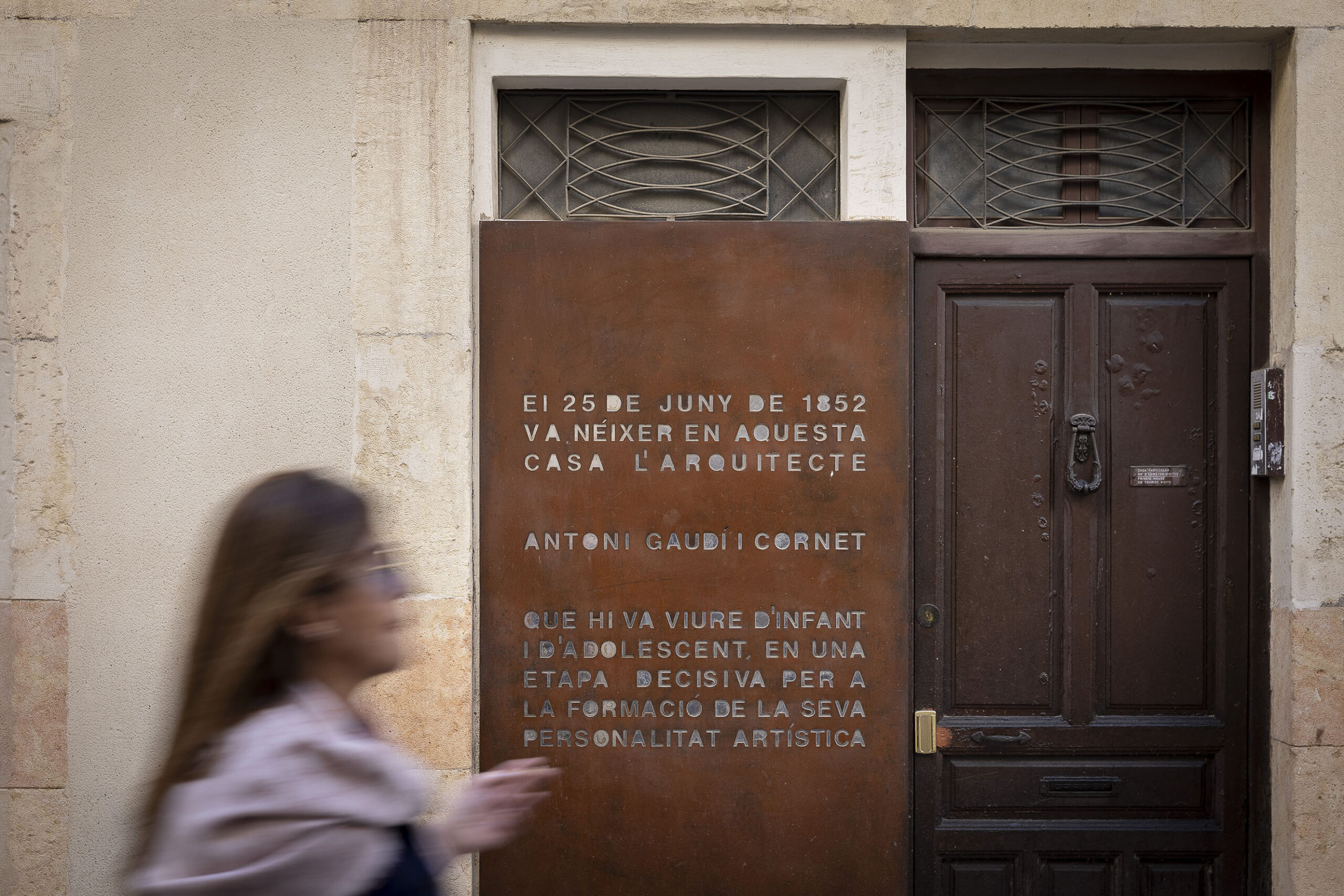
Antoni Gaudí i Cornet was born in Reus on 25 June 1852, as stated in personal, academic and professional documents signed by the architect and his father. According to childhood friend Eduard Toda, he was born in the house where his parents Francesc Gaudí i Serra and Antònia Cornet i Bertran lived at Carrer de Sant Vicenç 4. The ground floor of the house, owned by Gaudí’s maternal family until 1878, was his grandfather’s pot-making workshop and his father had his own workshop nearby. A plaque next to the front door remembers the architect’s birth
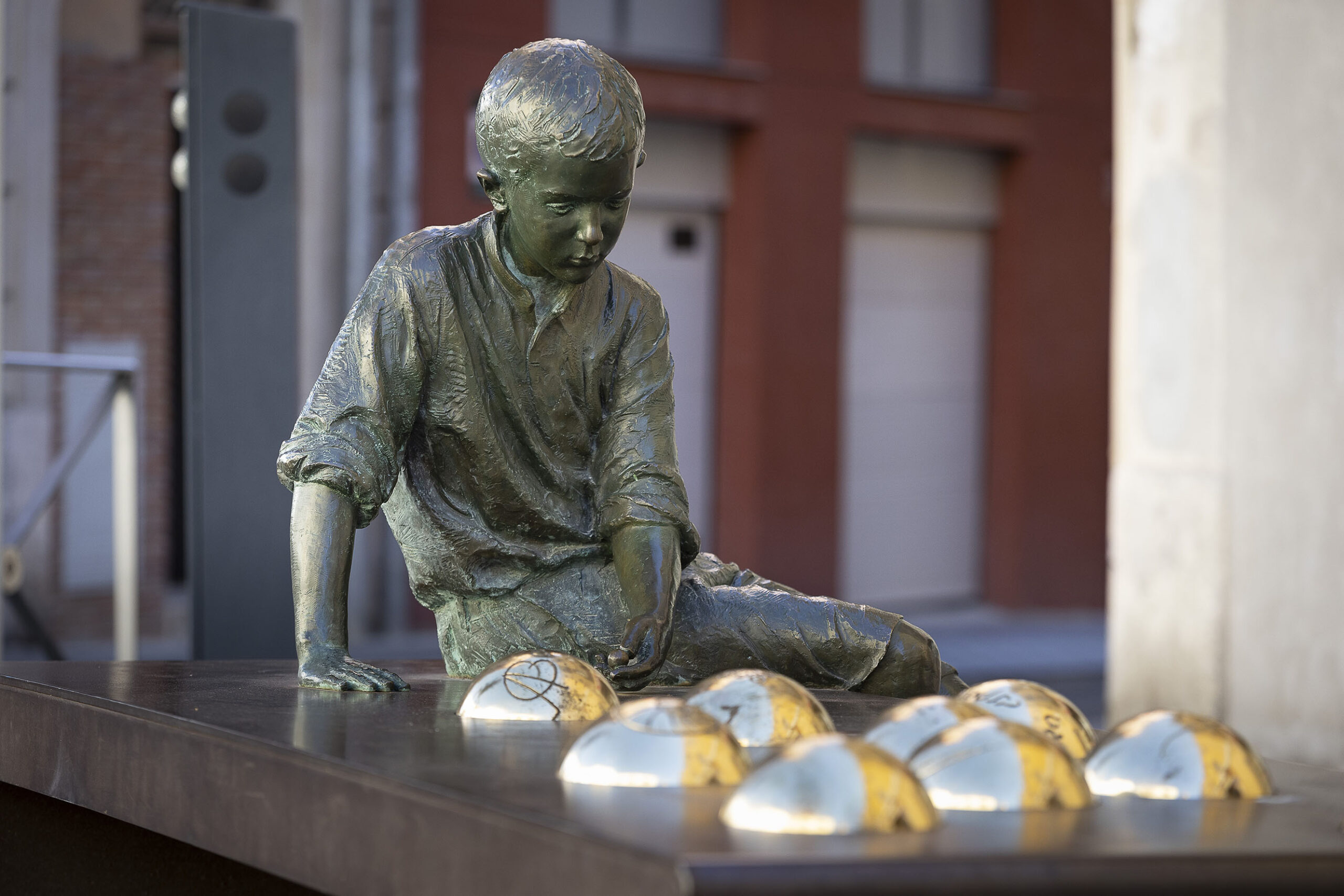
Not far away, we find Gaudí nen (Gaudí child), a sculpture by Reus artist Artur Aldomà showing the architect playing with marbles.
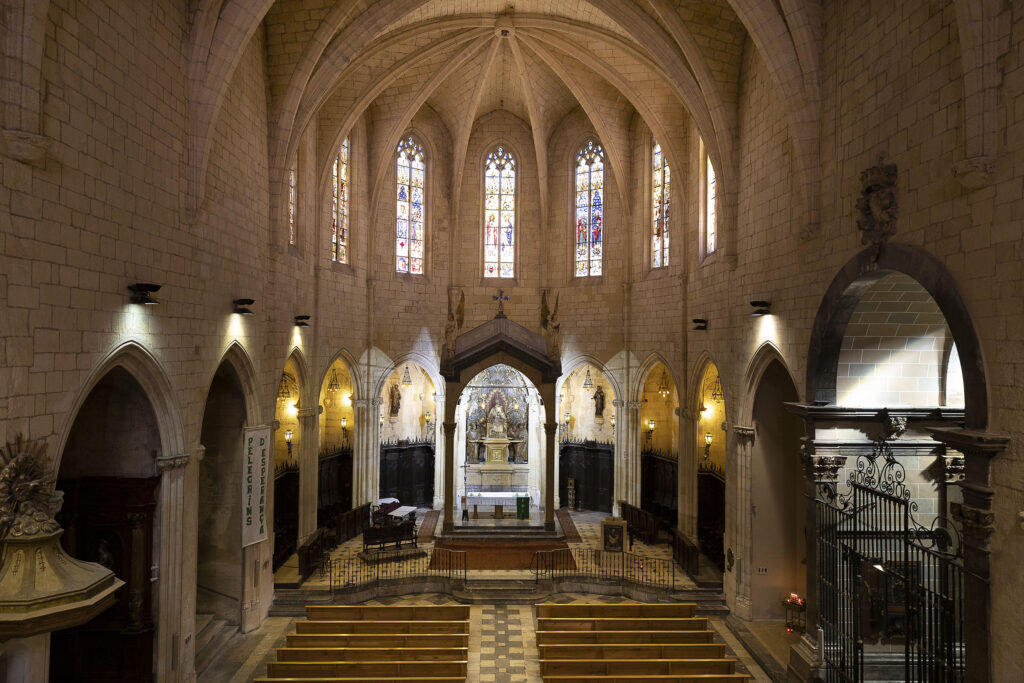
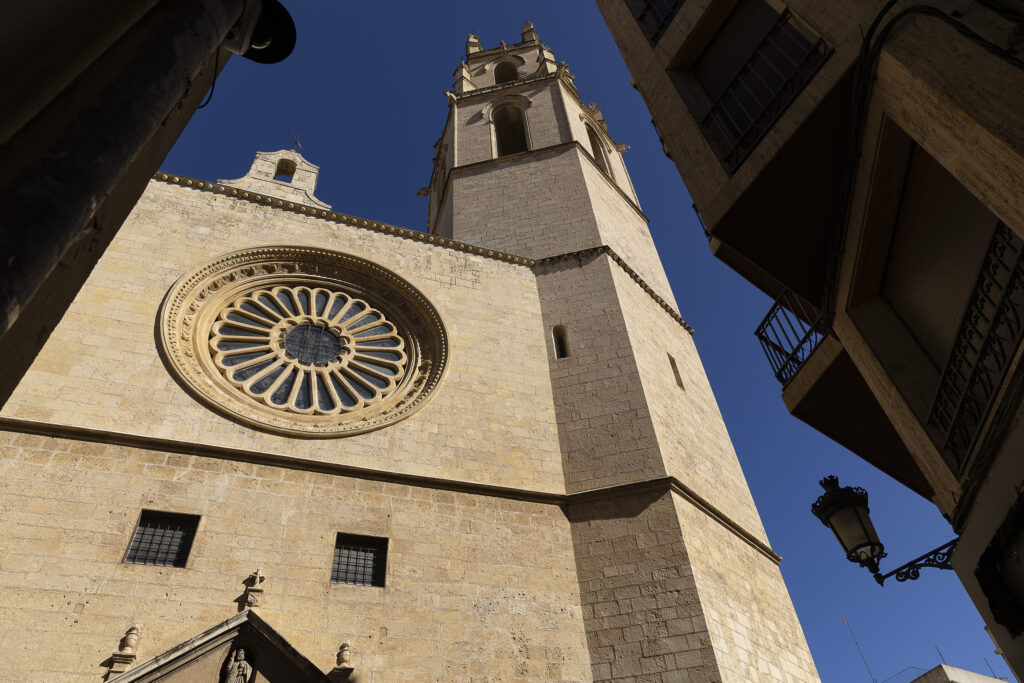
Reus Priory Church
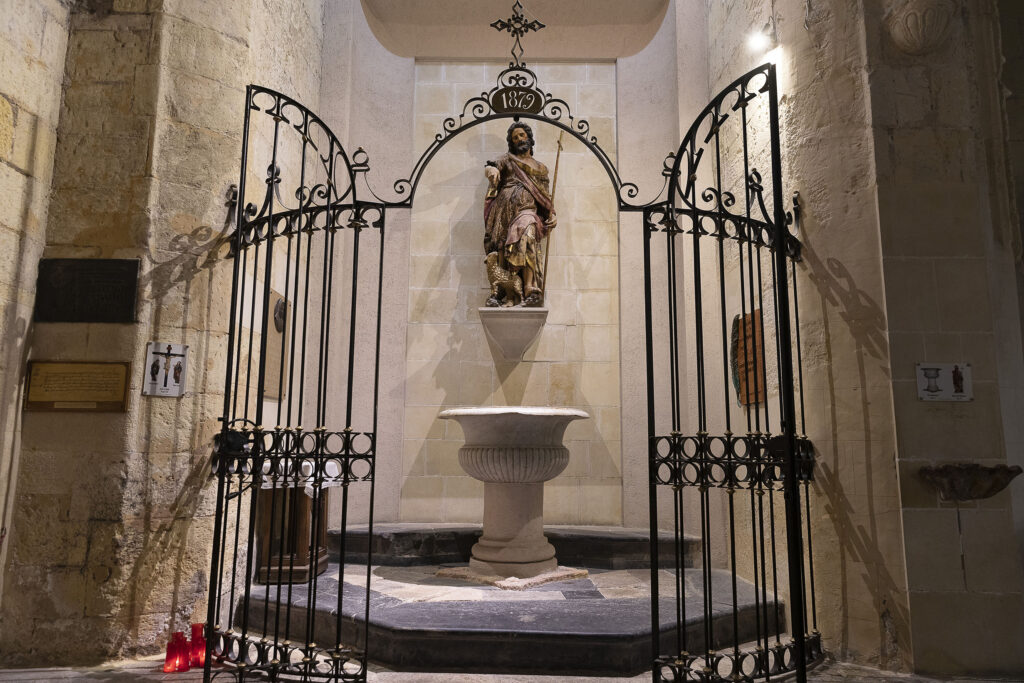
The day after he was born, Gaudí was baptised at the Priory Church of Sant Pere, a 15th-century late-Gothic church dedicated to the city’s patron saint. This is commemorated with a plaque and baptismal font in one of the side chapels. He also received his first communion at this church, after doing catechesis. This religious instruction as a child would stick with him throughout his life, becoming a source of inspiration for his work. The future Glory façade of the Sagrada Família, for example, is based on the book Catecisme de la Doctrina Cristiana, written by Josep Domènec Costa i Borràs, Archbishop of Tarragona, Armand Puig explains.
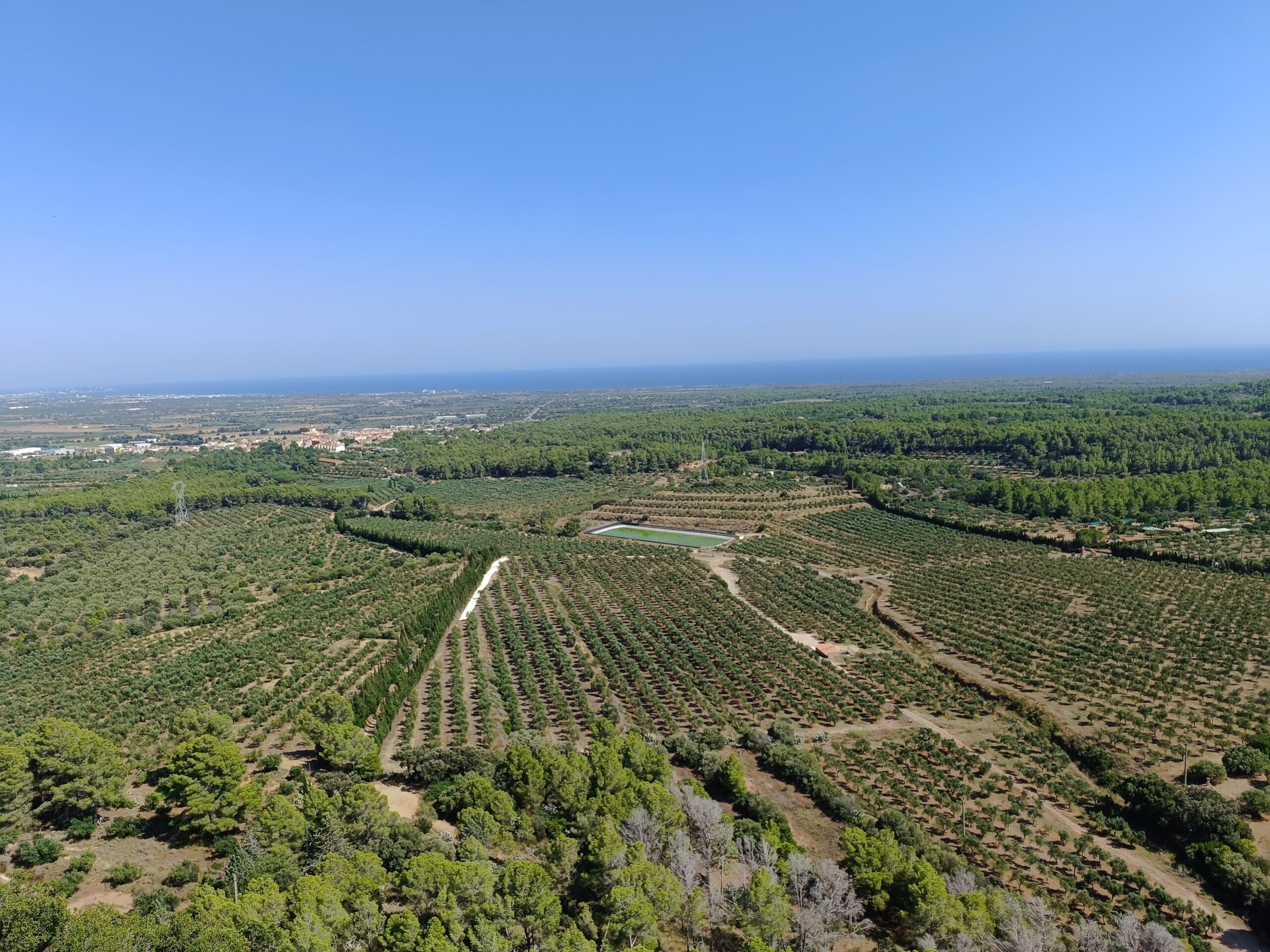
This church has a notable bell tower, tall enough to be visible from afar. From here, Gaudí often looked out over the landscapes of Camp de Tarragona, stretching from the sea to the Prades mountains, and took in the Mediterranean light that would later become such an important part of his work.
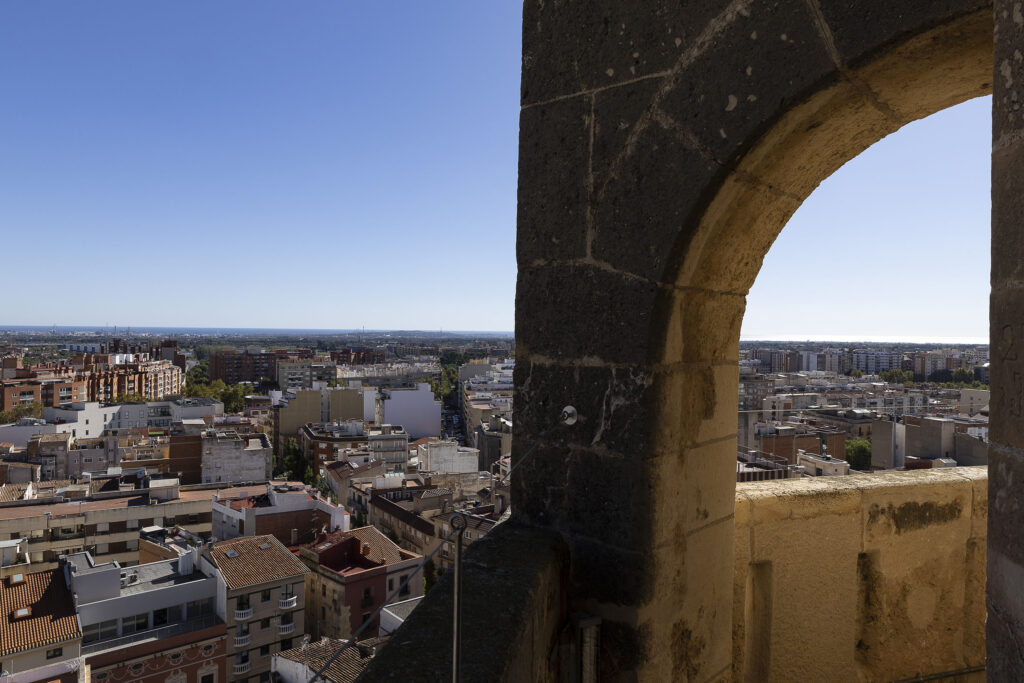
Gaudí was very observant as a child and, on his way up into the tower, he must have noted the staircase, which is similar to those he would later design for the towers at the Sagrada Família. He probably also observed the industrial chimney on Passeig de la Boca de la Mina. This symbol of the flourishing industry in Reus in the mid-19th century has a helicoidal shape that is often found in the architect’s work.
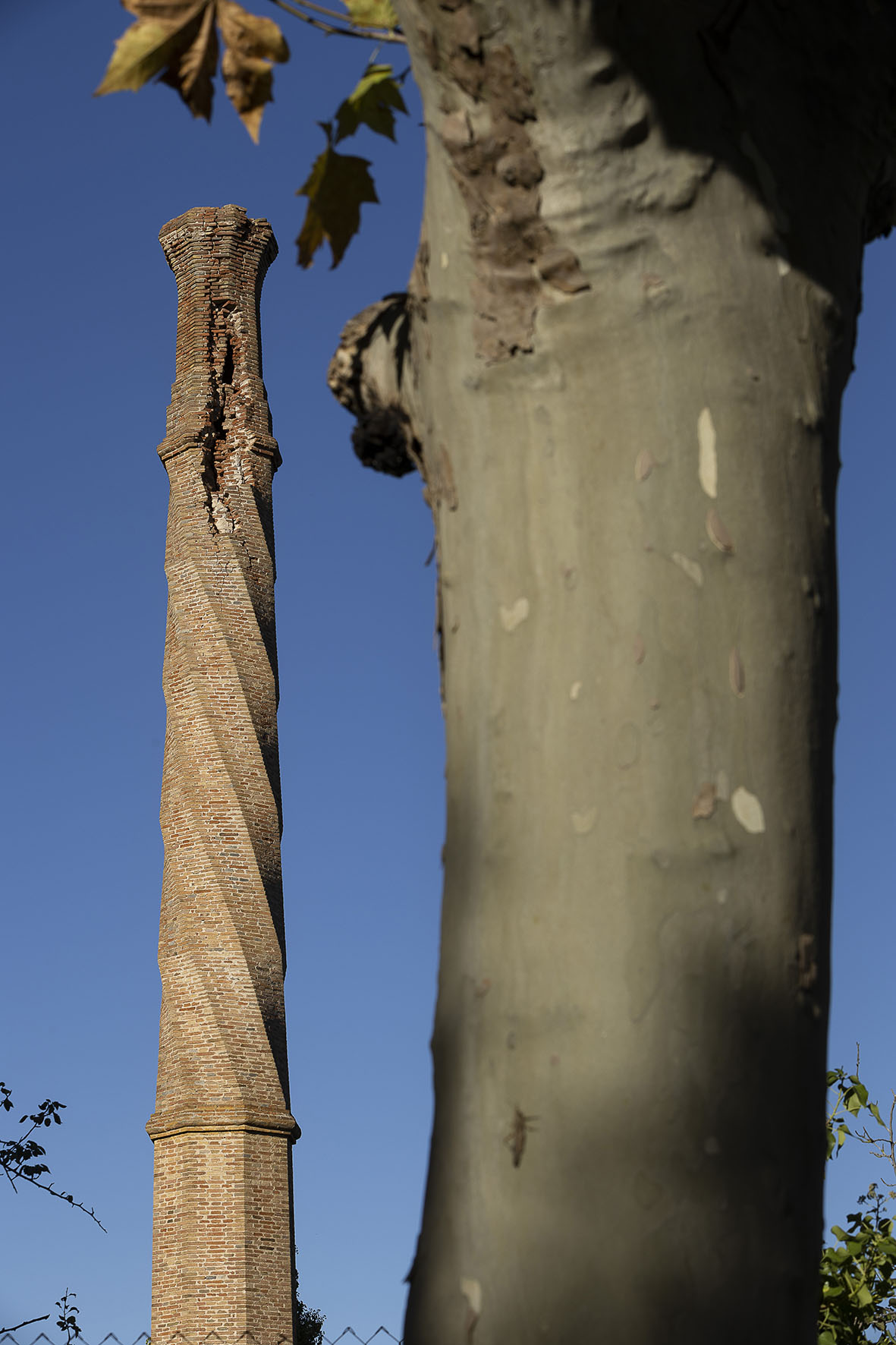
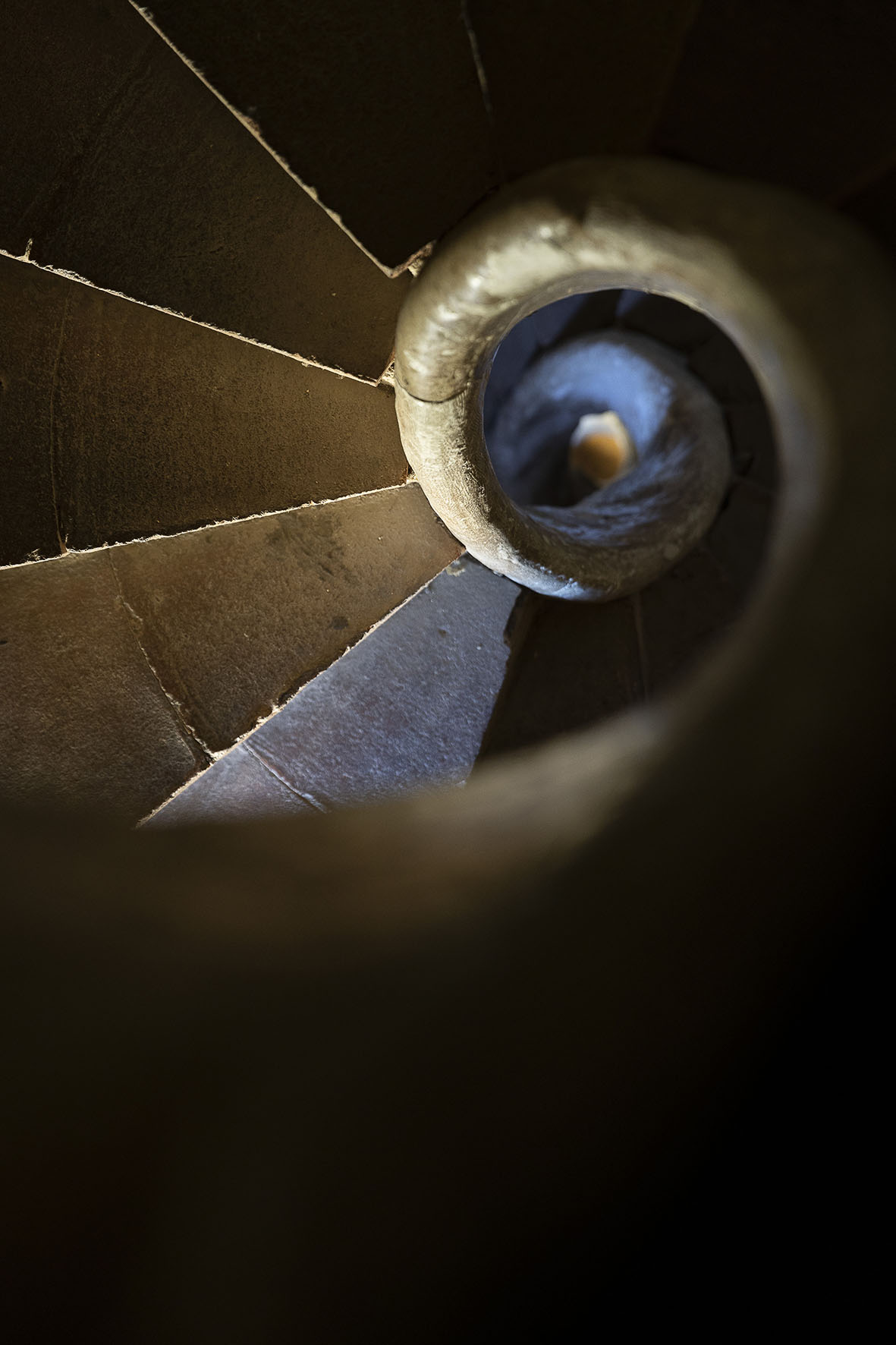
Molí de la Vila industrial chimney, on Passeig de la Boca de la Mina in Reus (left) and staircase inside the bell tower at the Reus priory church, whose shape is reminiscent of the ones in the towers at the Sagrada Família (right)
“Gaudí’s work is clearly permeated with this experience of going up in the bell tower. A bell tower that is inspiring for us, because it inspired him.”
Montserrat Giralt
Sanctuary of Mercy
As a child, Gaudí often went to the Sanctuary of Our Lady of Mercy with his family. At that time, it was on the outskirts of Reus and a common meeting point for city residents. Even though the family moved to Barcelona in 1868, this sanctuary was ever-present in the architect’s mind throughout his life. So much so that, years later, the dome he designed for the Chapel of the Assumption (in the Sagrada Família apse) evokes the blue mantle held up by angels around the sculpture of the Virgin in that sanctuary. Our Lady of Mercy is the patron saint of Reus, and Gaudí and his mother were particularly devoted to her.
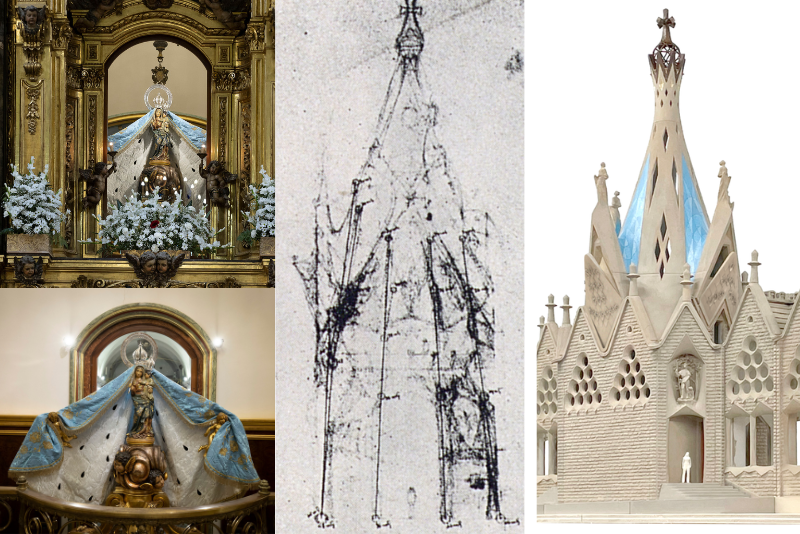
(From left to right): sculpture of the Virgin at the Sanctuary of Mercy, Antoni Gaudí’s original drawing for the Chapel of the Assumption at the Sagrada Família, and a virtual view of the finished project, now under construction
Additionally, he designed a standard that he and other prominent figures from Reus carried in their pilgrimage from Barcelona to the sanctuary in 1900, as the local press described at the time. His project to refurbish the shrine façade wasn’t as successful, though, and in the end, another proposal for the works was carried out. However, there is an original sketch of the design in the Reus Museum. Although disappointed the project didn’t go ahead, Gaudí never forgot his beloved home town.
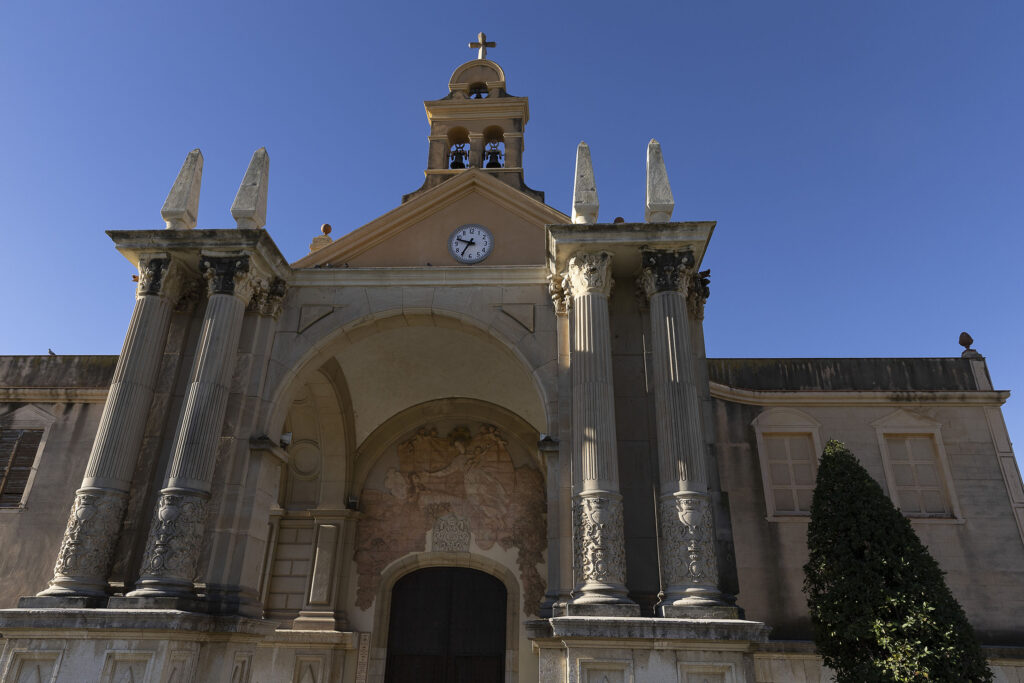
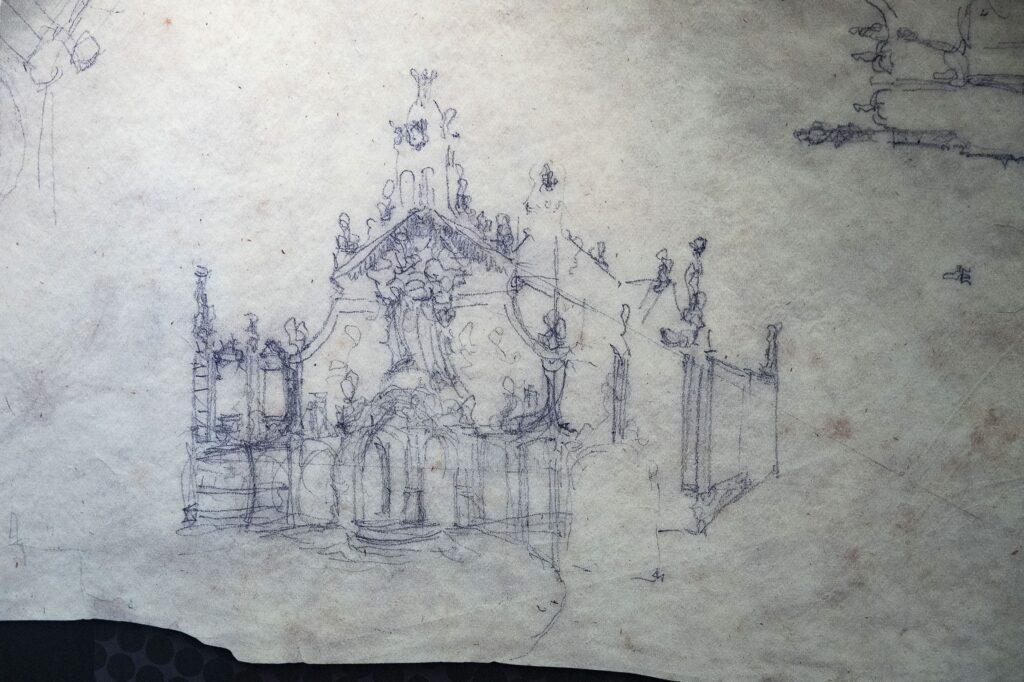
Sanctuary of Our Lady of Mercy in Reus (left) and Antoni Gaudí’s original sketch to restore the sanctuary façade (right). Copy on display at Gaudí Centre in Reus
Gaudí family home in Riudoms
While his maternal lineage came from Reus, his father’s side was from Riudoms, a neighbouring town where the Gaudí family had its home. “So, he identified as being from both Reus and Riudoms,” explains Reverend Puig.
The ground floor of the building housed his paternal grandfather’s pot-making workshop, where they turned sheets of copper into three-dimensional containers like pots, pans and canteens. All the hours he spent in that workshop observing and learning gave the architect a great ability to imagine shapes, spaces and volumes, which he would later apply to his models, drawings and constructions. Gaudí celebrated this family background, calling himself the “son, grandson and great-grandson of coppersmiths”. Today this home, owned by the family from the 18th century until Antoni Gaudí’s death, has been refurbished and is open to the public, with a recreation of the workshop, family living spaces and attic.
“His father, grandfather and great-grandfather were all potsmiths. This is important because he always said that this legacy from his copper-working forefathers allowed him to see volume”
Jaume Massó
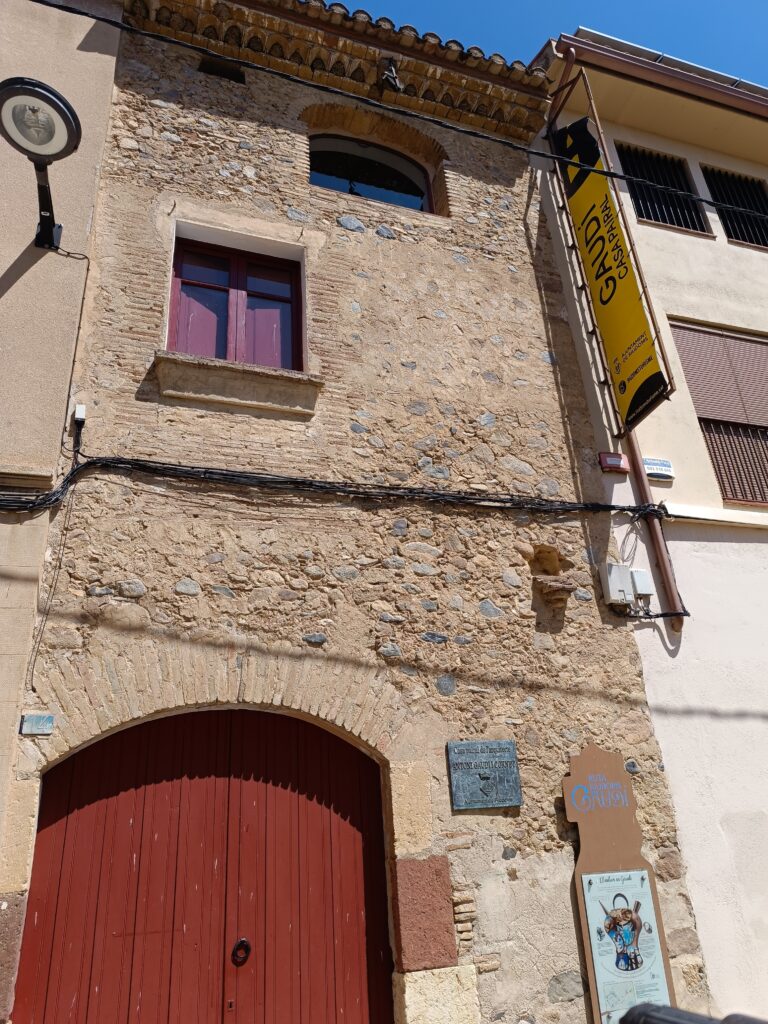
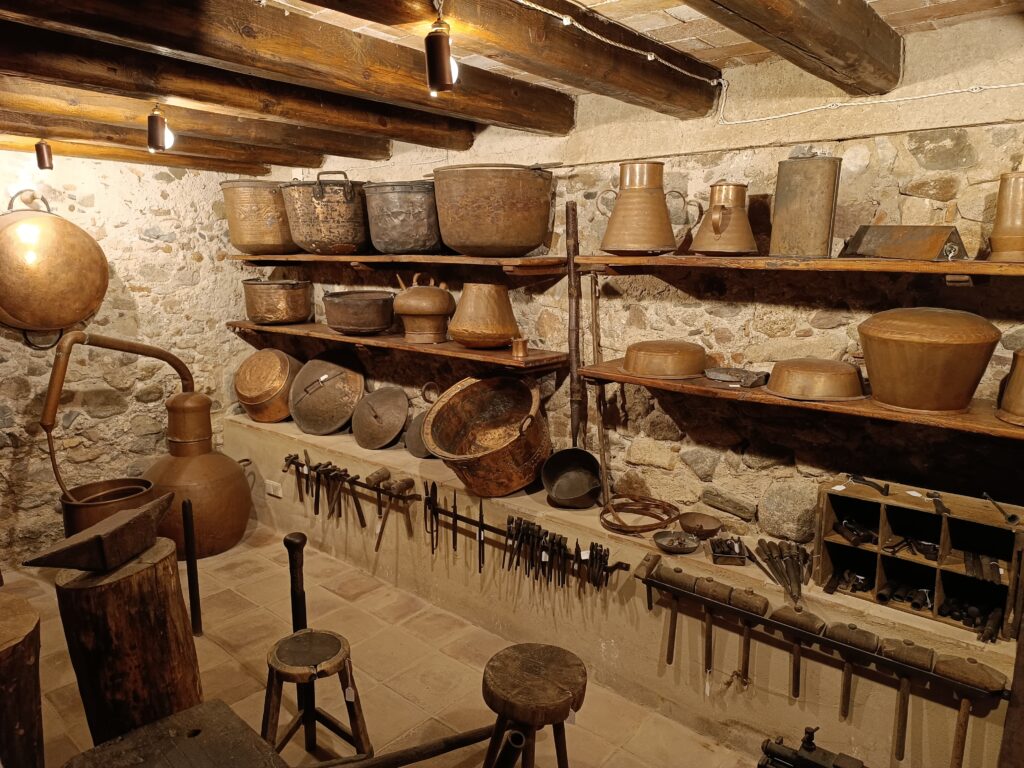
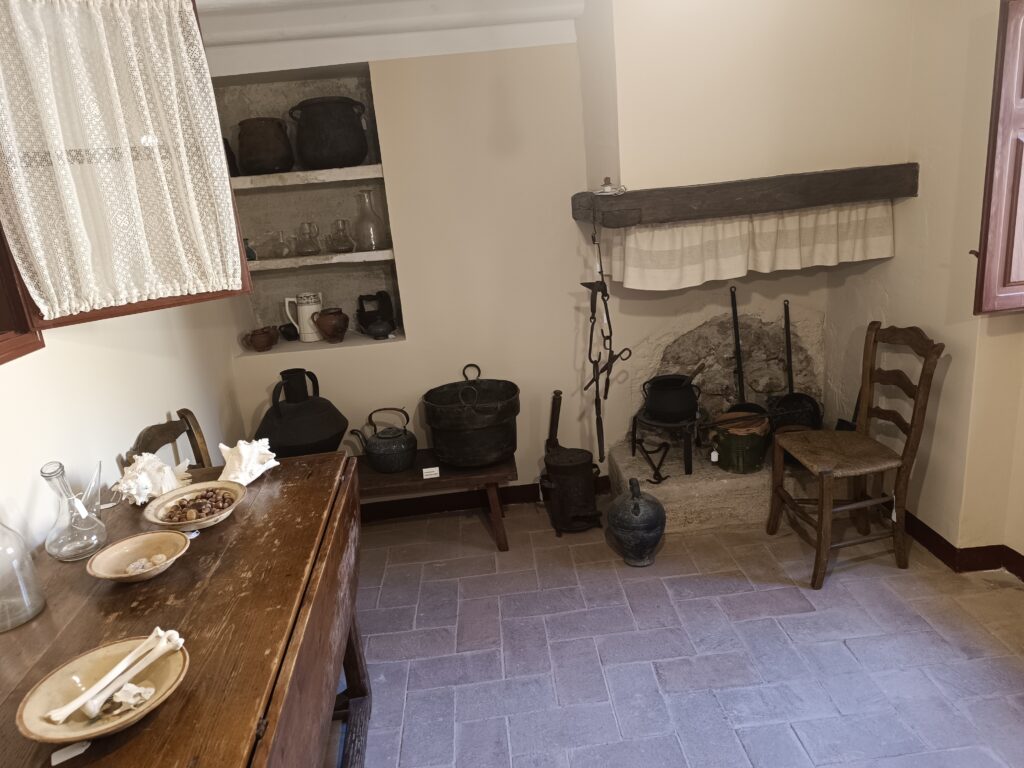
(From right to left): Exterior of Antoni Gaudí’s paternal family home in Riudoms, recreation of the pot-making workshop and kitchen.
Mas de la Calderera and surroundings
His paternal family’s holdings in Riudoms included a rural estate popularly known as Mas de la Calderera (the potsmith’s farmhouse). When the family went to spend time at this farmhouse, young Gaudí often rode there on a donkey, as he had rheumatism in his feet and was in delicate health, which sometimes kept him from walking, playing football or taking part in games with his friends. These periods of rest and long stays at the farmhouse, surrounded by Mediterranean flora and groves of fruit, olive, carob, almond and hazelnut trees, spurred on the future architect’s curiosity and observation skills.
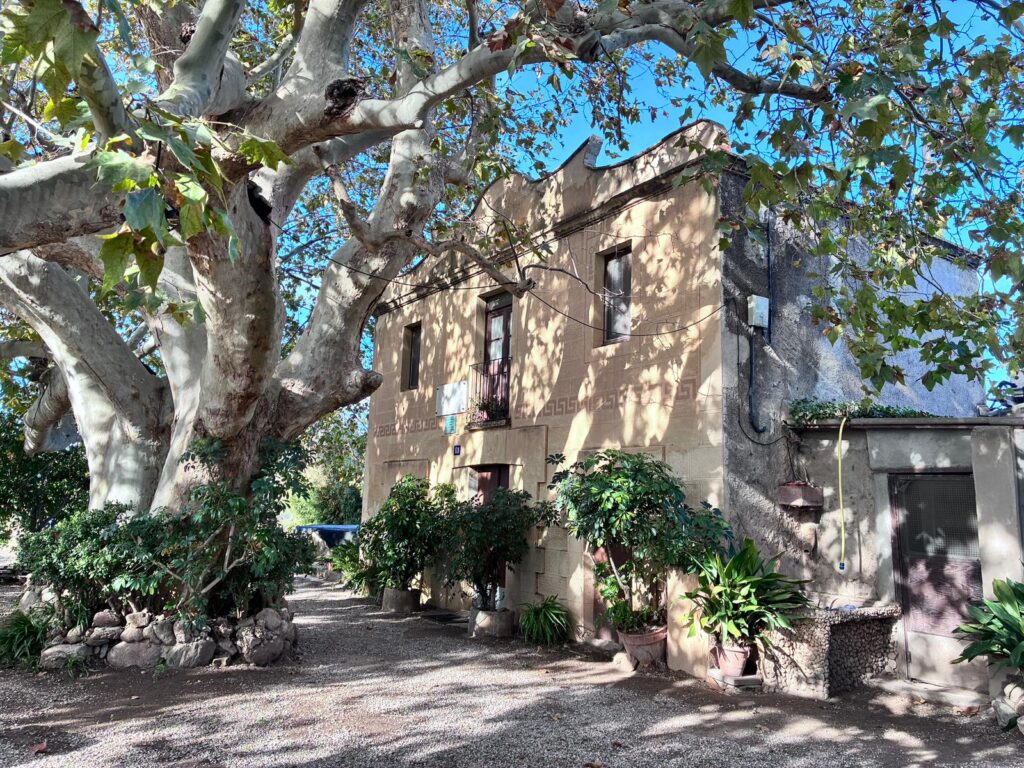
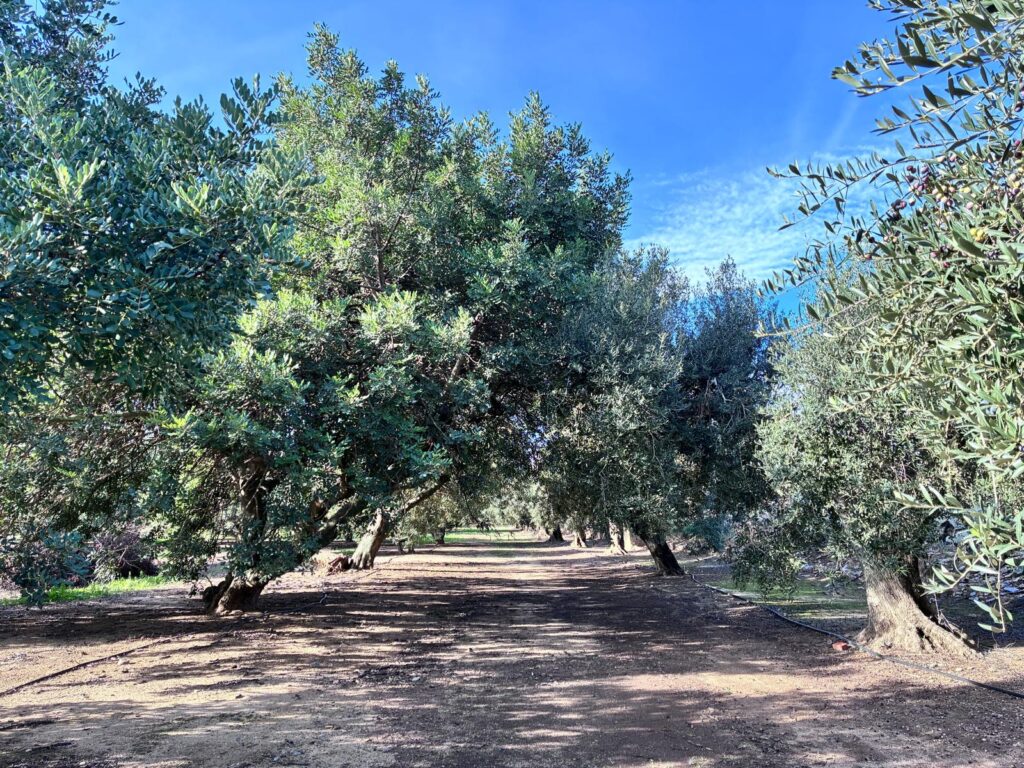
Exterior and surroundings of Mas de la Calderera in Riudoms
“Gaudí observed nature like no one else. He was acutely aware of the natural world, thanks to the time he spent in these rural areas,” explains Montserrat Giralt. One example of the connection between his childhood surroundings and his architecture is the baskets of fruit on the side naves at the Sagrada Família. “The fruit represented is what he picked, touched and ate from the trees around the family farmhouse as a child, and the chestnuts from the Prades mountains,” explains Reverend Puig.
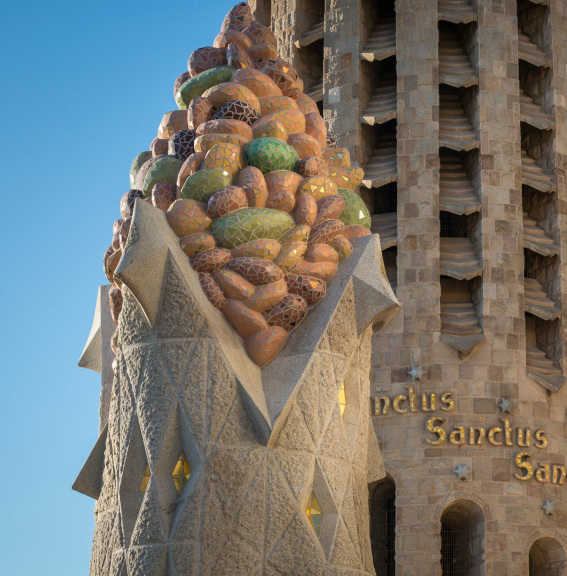
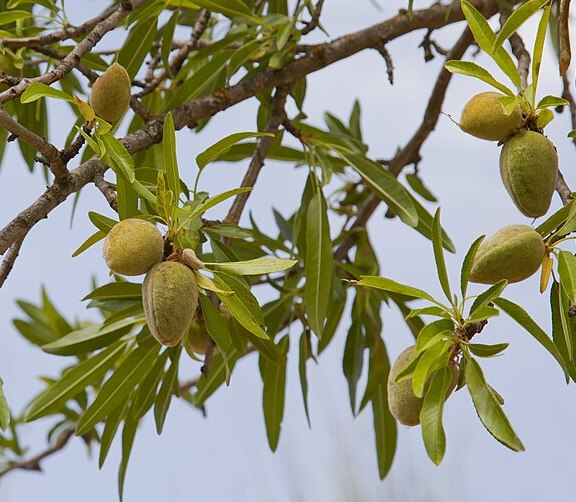
Almond tree (left) and basket of almonds on a side nave on the Passion façade side of the Sagrada Família (right)
Joan Bergós, one of Antoni Gaudí’s disciples and assistant architect at the Sagrada Família, explains what his master must have seen and felt when he was there:
“On these childhood sojourns to the farmhouse, brightened with pots of flowers, surrounded by vineyards and olive groves, enlivened by clucking poultry, tweeting birds and buzzing insects, and with the Prades mountains in the background, young Gaudí took in the purest, most pleasurable images of Nature. He always referred to Mother Nature as ‘my Teacher’ and still remembered these trees blossoming in his old age.”
Translation of an extract of the book Gaudí: L’home i l’obra, by Joan Bergós, p.14
The Mediterranean Sea and light
Antoni Gaudí said that people from the Mediterranean, and especially from Camp de Tarragona, are good at creating art and perceiving beauty 1. This is why he chose to work with architects, stonemasons and artists from this region, including Josep Maria Jujol, Cèsar Martinell and Domènec Sugrañes, to name just three.
This region is known for its wide variety of landscapes, with their colours and shapes, bright light and proximity to the sea. All these elements were part of Gaudí’s imagination and influenced his architecture.
From the time he was a young boy, he often went to Platja del Miracle, in the city of Tarragona. This beach was near the Serrallo fishermen’s neighbourhood, where his maternal grandfather fished. For Gaudí, watching the sea was “a necessity”, which is why he often went to the breakwater in the port of Barcelona on Sundays to look at the water, although he still missed the light and colours of his childhood.
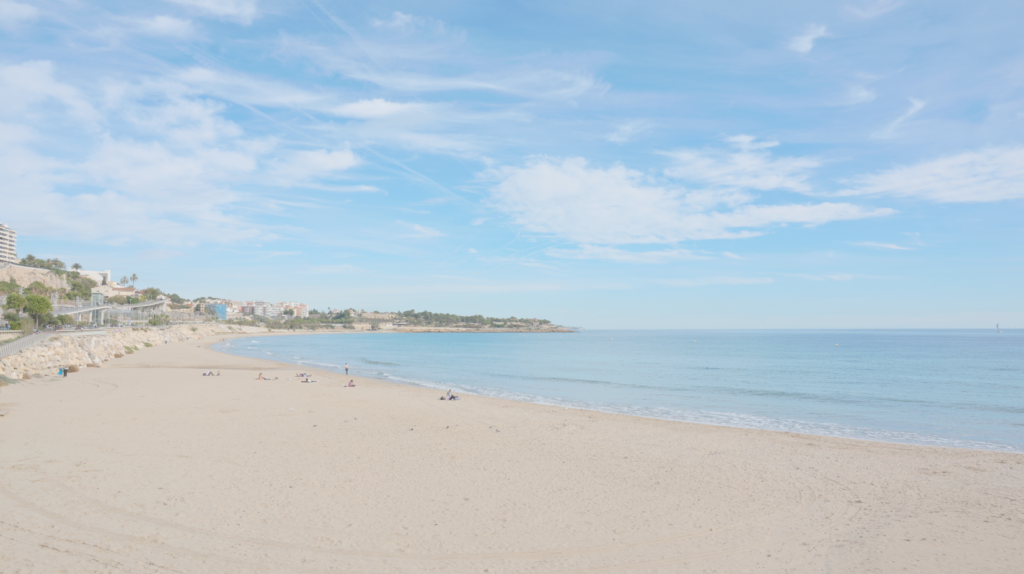
Miracle beach, Tarragona
Gaudí’s sense of space was highly influenced by the sea, as well as the pot-making workshop. The architect shared his views on this topic with his disciple and friend Cèsar Martinell:
“My Greek qualities are from the Mediterranean, which is a necessity for me. I have to see the sea often, and I go down to the breakwater many Sundays. The sea is the only thing that encapsulates all three dimensions for me: space. The surface reflects the sky and looking through it, I see the seabed and movement. The best for me would be to observe all of this at Platja del Miracle in Tarragona, where the light and colours have different nuances. But I have to settle for watching it from the breakwater.”
Translation of an extract of the book Gaudí i la Sagrada Família comentada per ell mateix by Joan Bergós, p.142
Hermitage of la Mare de Déu de la Roca
This Marian shrine in the village of Mont-roig sits atop a hill, with privileged views of Camp de Tarragona. The red rocks, caves and recesses are reminiscent of Gaudí’s architecture, above all the sinuous façade of Casa Milà. In fact, Joan Miró, who had deep ties to this region and painted its landscapes, noticed this similarity to the work of the Catalan genius.
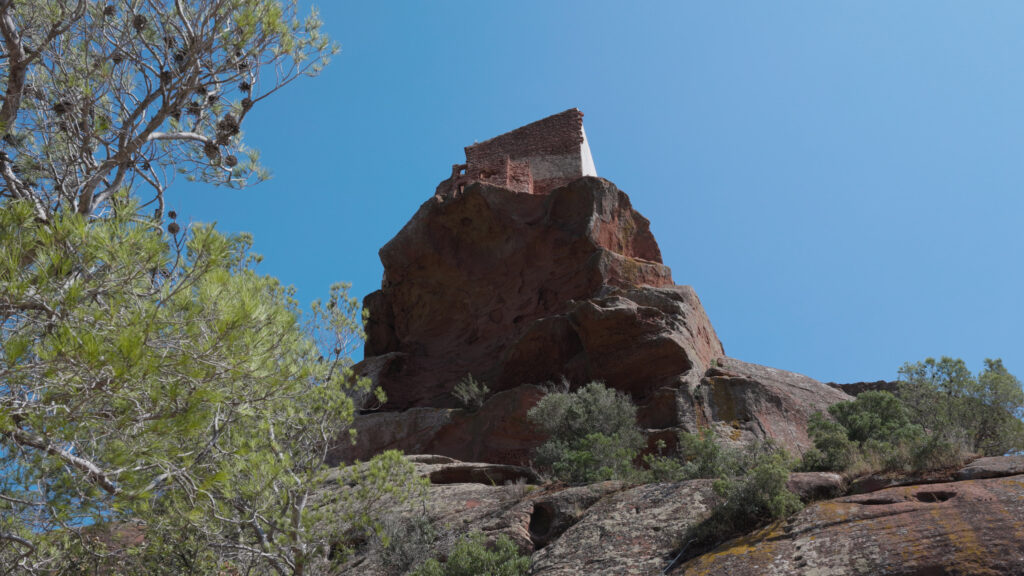
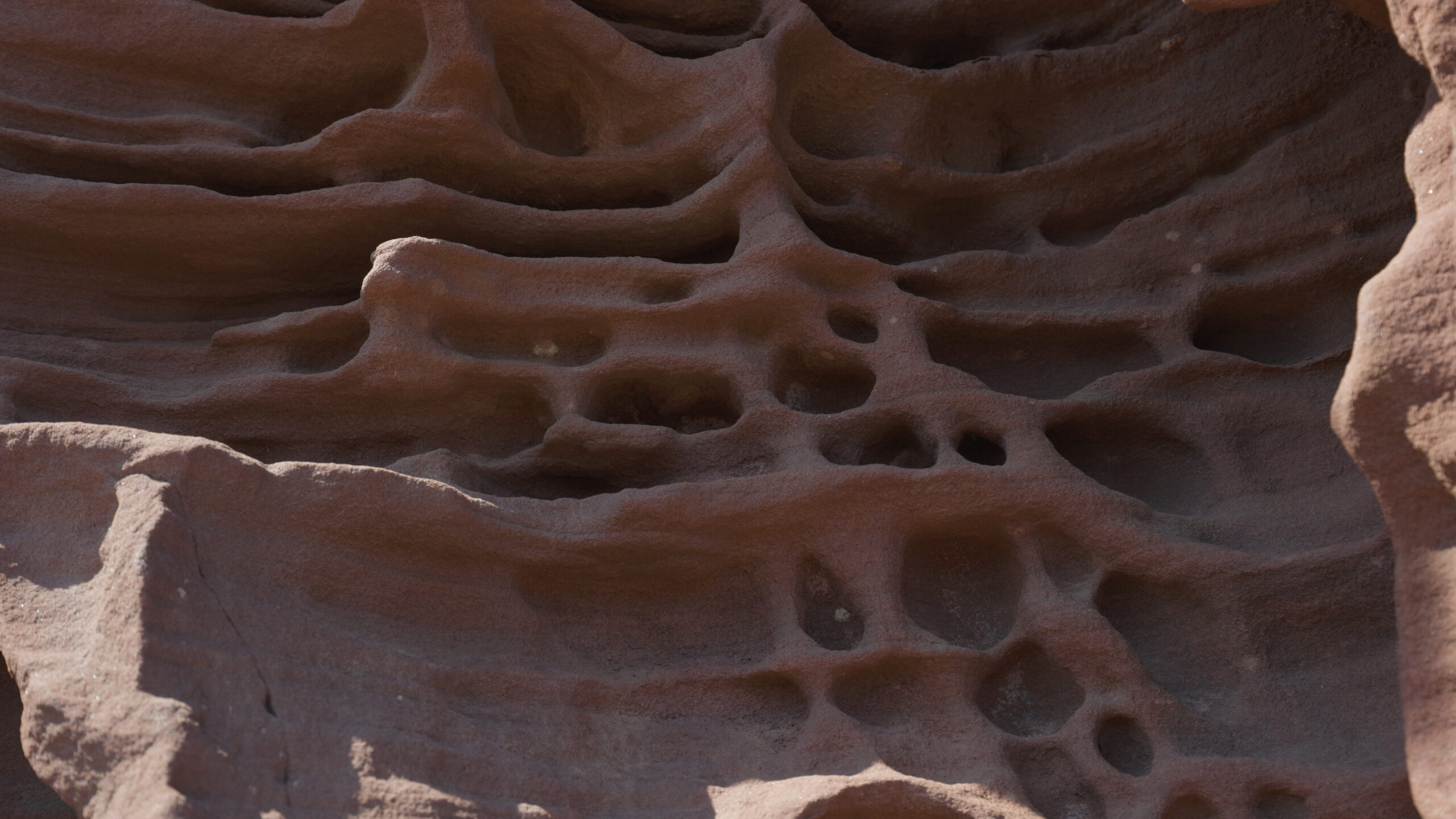
Hermitage of la Mare de Déu de la Roca in Mont-roig del Camp The undulating shape of the rocks is reminiscent of Gaudí’s buildings, such as Casa Milà
Although it isn’t documented, Gaudí probably came to this area near Reus and Riudoms often, interested in the peculiar shapes of the rocks. As a child, he loved going on hiking trips to learn about the history, art and nature of the region and, years later, would join the Associació Catalanista d’Excursions Científiques, now the Centre Excursionista de Catalunya. He was accompanied on these hikes by Eduard Toda and Josep Ribera, who he had met when they all studied at the Escolapis school in Reus. The three friends had similar intellectual interests and worked on projects together during this period, including El Arlequín, a modest magazine that Gaudí contributed drawings to.
In short, “Gaudí was like a sponge in his childhood, absorbing customs, traditions, devotions and ways,” says Reverend Puig. He spent this time between Reus, Riudoms and the surrounding areas, which forged his future identity as an architect.
- Gaudí, l’home i l’obra, Joan Bergós, p.36 ↩︎